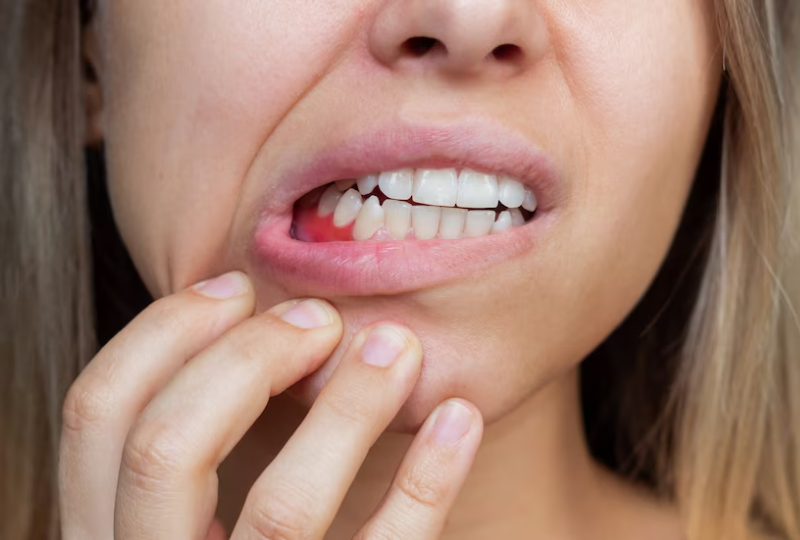


Healthy gums don’t just happen by luck. They’re shaped by daily habits, regular dental care, and understanding what your mouth is trying to tell you. In Circleville, many adults quietly live with gum problems without realizing how serious they can become. Bleeding when brushing, persistent bad breath, or gums that feel tender aren’t just annoyances—they’re signals.
One of the most common questions patients ask is simple but important: Is periodontal disease reversible? The answer depends on how early it’s caught and how consistently it’s treated. The good news is that modern dentistry offers effective ways to manage gum disease and, in its early stages, even reverse the damage.
This guide breaks it down clearly—what’s reversible, what’s not, and what Circleville residents should do next to protect their smiles.
Understanding Periodontal Disease in Simple Terms
Gum infection is also known as periodontal disease. It damages the structures that support your teeth. It usually starts quietly. Plaque builds up along the gumline. If it isn’t removed, it hardens into tartar and irritates the gums.
There are two main stages:
- Gingivitis – early gum inflammation
- Periodontitis – advanced gum disease with bone involvement
The earlier stage is where reversibility is possible. The later stage is where control—not reversal—becomes the goal.
Can Gum Disease Really Be Reversed?
Yes—But Only in the Early Stage
Gingivitis is reversible. At this stage, the gums may appear red or swollen and bleed easily, but the bone and connective tissue remain healthy. With professional cleanings and better daily care, gums can return to a healthy state.
Advanced Periodontal Disease Is Not Fully Reversible
Once gum disease progresses to periodontitis, the infection begins to damage bone and connective tissue. That loss cannot be fully restored. However, the disease can be stabilized. Treatment focuses on stopping progression, reducing inflammation, and protecting remaining bone and teeth.
This distinction matters. Early care can save time, discomfort, and long-term dental complications.
Why Gum Disease Is Common Among Adults in Circleville
Local lifestyle factors play a role in oral health trends seen across Pickaway County:
- Busy work schedules that delay routine dental visits
- Seasonal allergies leading to mouth breathing and dry mouth
- Tobacco use, including smokeless tobacco, which increases gum risk
- Higher rates of diabetes, which affects gum healing
- Diets high in processed foods and sugary drinks
These everyday realities make preventive dental care even more important for local families.
Signs Your Gum Disease May Still Be Reversible
Pay attention to these early warning signs:
- Bleeding when brushing or flossing
- Puffy or reddened gums
- Bad breath that doesn’t go away
- Tenderness along the gumline
- Gums that look shiny or inflamed
If bone loss hasn’t occurred yet, timely treatment can restore gum health.
What Happens If Periodontal Disease Is Left Untreated?
Ignoring gum disease doesn’t make it go away. Over time, untreated infection can lead to:
- Gum recession
- Loose or shifting teeth
- Bone loss around teeth
- Pain or abscesses
- Tooth loss
Research also links advanced gum disease to systemic health concerns, including heart disease and complications with blood sugar control.
How Professional Care Helps Control Gum Disease
Professional dental care goes beyond brushing and flossing. When gum disease is present, deeper cleaning below the gumline becomes essential.
This is where periodontal therapy in Circleville plays a key role. Treatment is designed to remove bacteria, smooth root surfaces, and allow gums to heal and reattach where possible. Care plans are personalized based on disease severity and overall health.
What Treatment Looks Like for Patients
Depending on your condition, care may include:
- Deep cleaning (scaling and root planing)
- Targeted antimicrobial therapy
- Periodic periodontal maintenance visits
- Ongoing monitoring of gum and bone health
When combined with consistent home care, these steps can significantly slow or stop disease progression.
Daily Habits That Support Healthier Gums
Professional treatment works best when supported at home. Patients are encouraged to:
- Brush twice daily with a soft-bristle toothbrush
- Clean between teeth every day
- Stay hydrated to reduce dry mouth
- Avoid tobacco products
- Maintain regular dental visits
Small daily habits have a big impact over time.
Why Early Treatment Matters More Than You Think
Patients often delay care because gum disease doesn’t always hurt. But early action preserves natural teeth, shortens treatment time, and helps avoid complex procedures later.
For many local residents, scheduling care early fits better into busy routines than managing advanced dental issues later.
Gum disease doesn’t have to define your future smile. With early care, informed choices, and professional guidance, many patients regain comfort and confidence in their oral health. If something feels off with your gums, that’s your cue to act—not wait.
Scheduling an evaluation session with North Court Family Dentistry is often the first step toward clarity, relief, and long-term stability for your smile.
People Also Ask
Can gingivitis turn into periodontitis?
Yes. If gingivitis is left untreated, inflammation can spread below the gumline and begin damaging bone. Early treatment prevents progression and helps restore gum health before permanent damage occurs.
Is gum disease treatment uncomfortable?
Most patients report minimal discomfort. Modern techniques focus on gentle, precise care. Sensitivity is usually temporary and improves as gums heal and inflammation reduces.
How long does it take to see improvement?
Many patients notice reduced bleeding and swelling within weeks. Long-term improvement depends on disease severity, consistency of care, and follow-up maintenance visits.
Can gum disease come back after treatment?
Yes, without proper maintenance. Gum disease is manageable, not something you treat once and forget. Regular dental visits and daily care are essential for long-term stability.
Does gum disease affect overall health?
Research links periodontal disease with heart disease, diabetes complications, and inflammation elsewhere in the body. Managing gum health supports overall wellness.
How often should periodontal patients see a dentist?
Patients with a history of gum disease often benefit from more frequent visits, typically every three to four months, to maintain stability and prevent flare-ups.