
If you’ve recently had dental implants placed, you may be wondering about the best time to resume eating solid foods. While dental implants are a long-term solution for missing teeth, the recovery process requires careful attention, especially when it comes to eating. Understanding when and how to resume your regular eating habits after the procedure is essential to ensure optimal healing and avoid complications.
In this blog, we’ll explore what you can expect after dental implant surgery, how long you should wait before eating, and the foods you should consider during your recovery. Whether you’re a Circleville resident or just looking for answers, this guide will provide you with valuable information to make your recovery smoother.
Understanding the Dental Implant Process
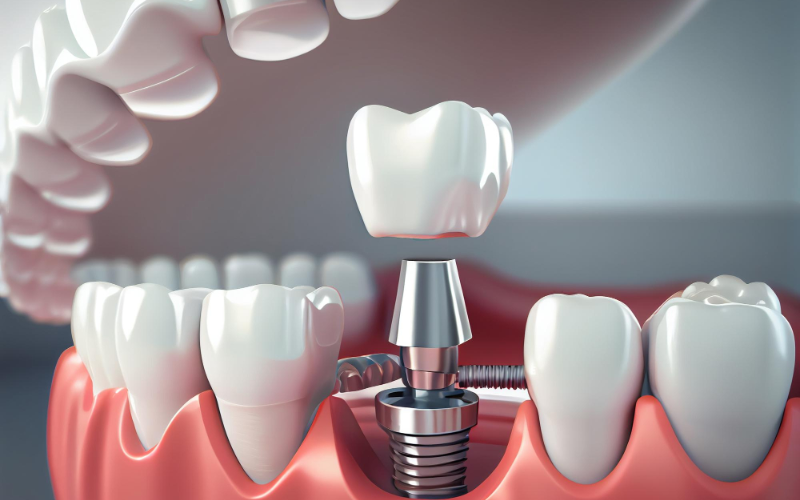
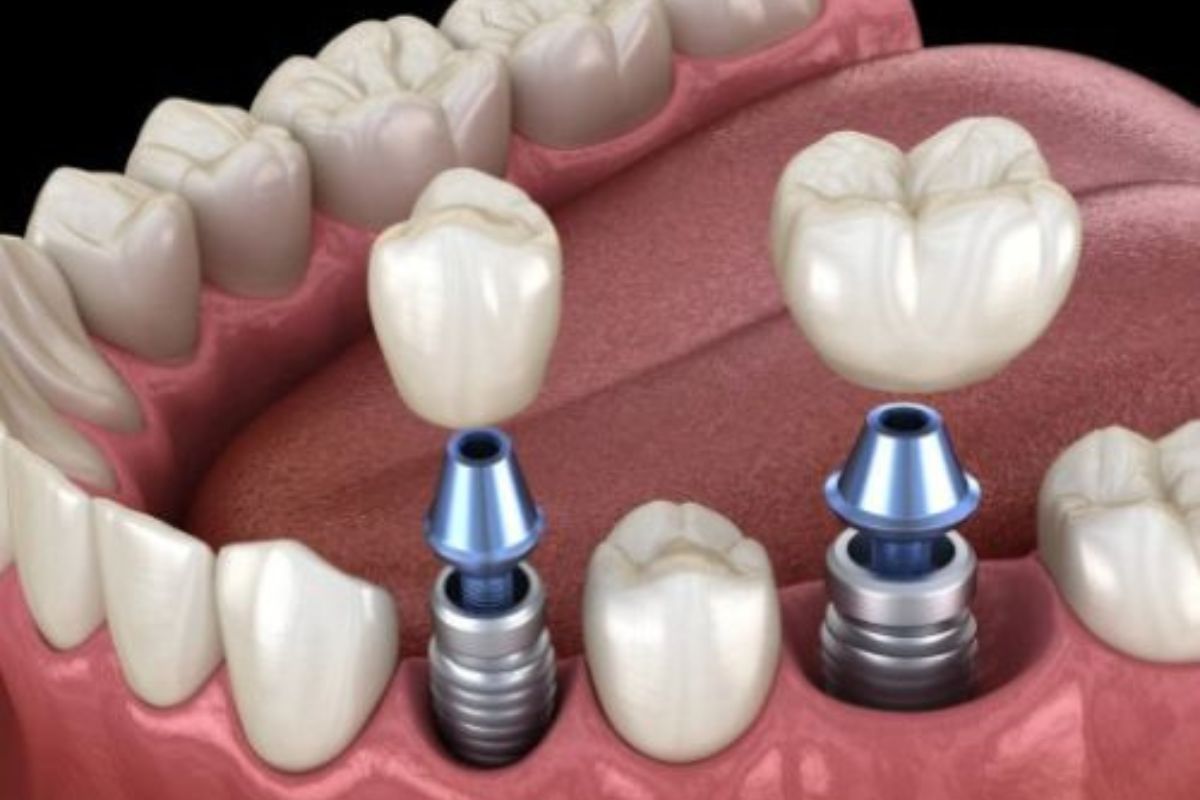
Dental implants are a revolutionary solution for replacing missing teeth. The procedure involves placing a titanium post in your jawbone, which serves as the root of a new artificial tooth. The process typically occurs in stages, starting with the surgery to place the implant, followed by a healing period, and finishing with the placement of the crown or bridge.
While the results are incredibly rewarding, it’s important to recognize that the process requires some recovery time. The first few days after surgery are crucial, and your eating habits during this period can impact the healing process.
The First 24 to 48 Hours After Surgery: Eating Considerations
Immediately following your dental implant surgery, you’ll need to be cautious about what you eat. During the first 24 to 48 hours, the surgical site will be sensitive, and your body will be focused on healing. Here’s what you should keep in mind:
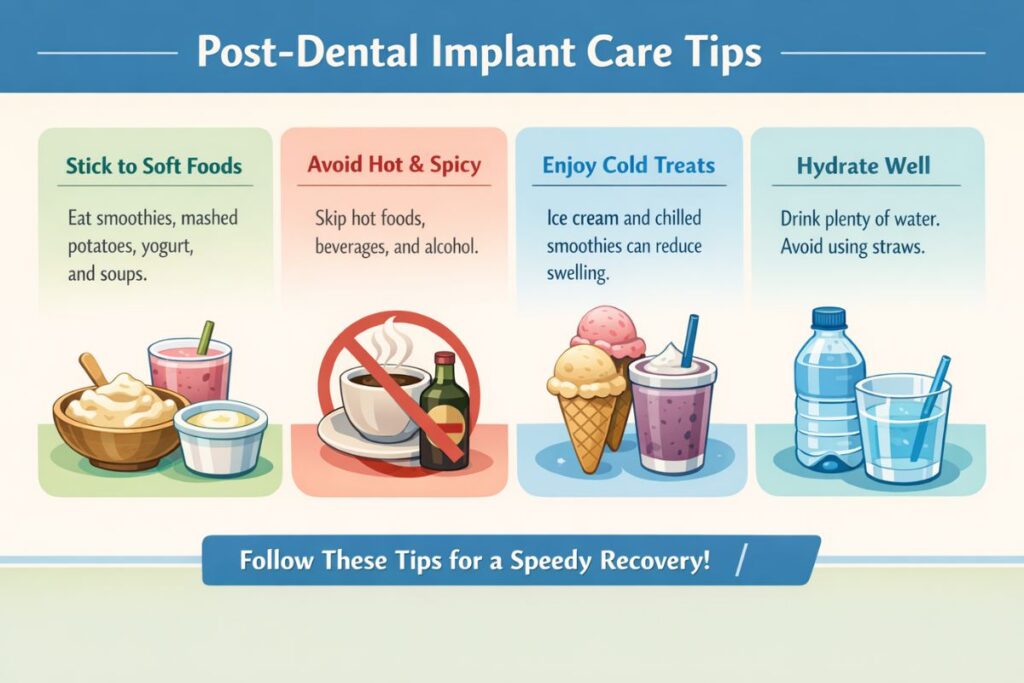
- Stick to Soft Foods: For the first 24 hours, it’s best to stick to soft foods that won’t irritate the surgical site. Think smoothies, mashed potatoes, yogurt, and soups. These foods are easy to consume and won’t require much chewing, which could disrupt the healing process.
- Avoid Hot Foods and Drinks: Your gums and jawbone will be swollen, and consuming hot foods or beverages could worsen the discomfort. It’s also important to avoid alcohol and carbonated drinks, as these can interfere with the healing process.
- Cold Foods: Cold foods like ice cream and chilled smoothies can help soothe the area and reduce swelling. They also have a numbing effect, which can make you feel more comfortable during the early stages of recovery.
- Hydrate Well: Drink plenty of water. Staying hydrated helps your body heal and keeps you comfortable. Just make sure to avoid using straws during the first few days, as the suction can dislodge the blood clot, leading to complications.
When Can You Start Eating Solid Foods?
After the initial 24 to 48 hours, you may be able to incorporate more solid foods into your diet. However, it’s essential to proceed with caution:
- Wait for the Swelling to subside: Swelling is normal after dental implant surgery, but it should start to decrease within a few days. Once the swelling subsides and your gums begin to feel less tender, you can gradually introduce more solid foods into your diet. For most people, this occurs after the first 3 to 5 days.
- Choose Soft, Non-Crunchy Foods: Even when you start eating more solid foods, avoid anything that’s hard, crunchy, or chewy. Foods like bread, raw vegetables, and nuts can put unnecessary pressure on the implant site and potentially cause discomfort or disrupt healing. Opt for softer options like well-cooked vegetables, eggs, and tender meats.
- Monitor for Discomfort: If you experience discomfort or pain while eating solid foods, it’s important to take a step back and return to softer options. Listening to your body and taking a gentle approach will help you heal at a steady pace.
The Importance of a Balanced Diet for Healing
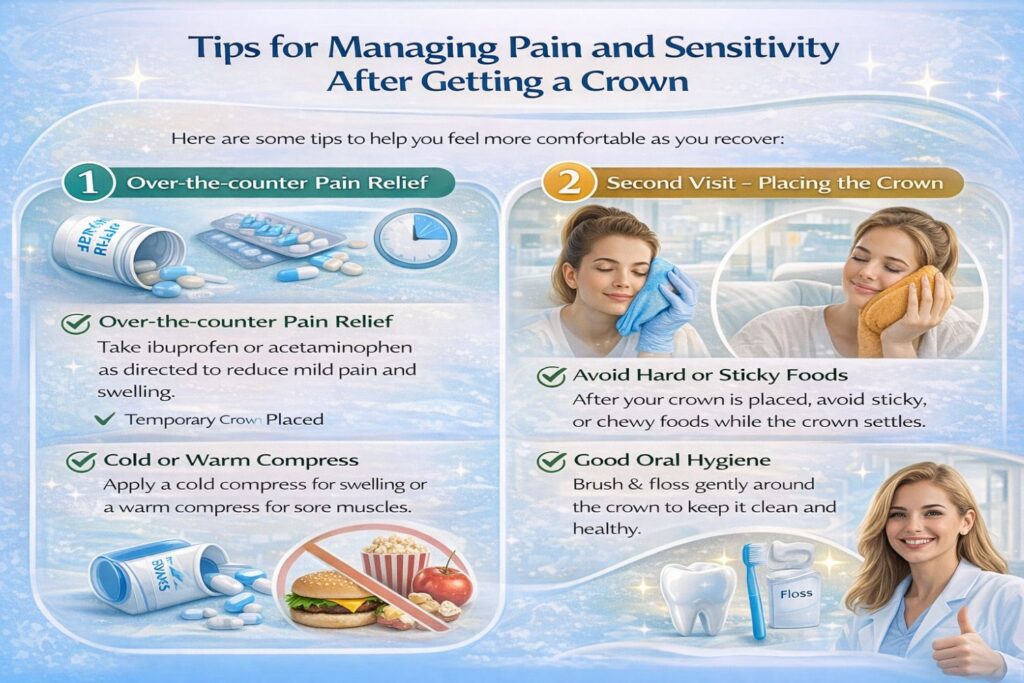
After getting dental implants, your body needs the right nutrients to heal properly. A well-balanced diet will support your recovery and ensure that the implant integrates well with the jawbone. Here are some key nutrients to focus on during your recovery:
- Protein: Protein is essential for tissue repair and wound healing. Include protein-rich foods like eggs, fish, and lean meats in your diet.
- Vitamins A and C: These vitamins play a vital role in reducing inflammation and supporting tissue growth. Consider including foods like leafy greens, berries, and citrus fruits.
- Calcium: As dental implants rely on your jawbone for support, getting enough calcium is crucial for bone health. Dairy products, leafy greens, and fortified alternatives are great sources.
Foods to Avoid During Dental Implant Recovery
While it’s essential to focus on healthy foods, there are also certain items you should avoid during your recovery. These foods can delay healing or cause complications:
- Hard and Sticky Foods: Foods like popcorn, hard candy, or gum can put pressure on your implant or dislodge the blood clot. Stick to soft and easy-to-chew options until your dentist gives you the green light.
- Spicy Foods: Spicy foods can irritate the surgical site and increase discomfort. It’s best to avoid them until your gums have fully healed.
- Alcohol and Tobacco: Alcohol and tobacco can impair healing and should be avoided for at least a few days after your procedure. Smoking, in particular, can delay the healing of the gums and increase the risk of complications.
What to Expect in the Coming Weeks
The recovery process for dental implants varies from person to person, but most people experience significant improvement within the first week. After the first few days, you can start incorporating more variety into your meals as you feel more comfortable. However, it’s crucial to continue avoiding tough, sticky, or crunchy foods until your implants have fully integrated with the jawbone, a process that can take several months.
Once the initial healing is complete and the implants have fused with the bone, you can return to your regular eating habits without restrictions. However, always remember to maintain good oral hygiene to ensure the long-term success of your implants.
Recovering from dental implant surgery requires patience, but understanding when to eat after the procedure is essential for a smooth recovery. By following your dentist’s guidelines and avoiding certain foods, you’ll help ensure the implants heal properly and integrate seamlessly with your jawbone.
If you’re ready to take the next step in your dental health journey, North Court Family Dentistry is here to guide you through the process of getting dental implants in Circleville. Our team is dedicated to making sure you’re comfortable every step of the way, from surgery to aftercare.
FAQs
Can I eat normally right after my dental implant surgery?
No, immediately after surgery, you should stick to soft foods for 24 to 48 hours. Solid foods can be reintroduced after a few days as swelling decreases.
How long should I wait to eat solid foods after dental implants?
Most patients can start eating soft solid foods after about 3 to 5 days. However, avoid anything too hard or crunchy for several weeks.
What foods should I avoid after dental implant surgery?
Hard, sticky, and spicy foods should be avoided during the first few days of recovery. Alcohol and tobacco should also be avoided as they can impair healing.
How can I ensure a faster recovery after dental implant surgery?
Maintain a balanced diet with sufficient protein, vitamins A and C, and calcium. Staying hydrated and following your dentist’s advice will also promote faster healing.
Can I eat meat after dental implants?
You can eat tender meats after a few days, but avoid tough cuts until you feel comfortable. Start with soft, easy-to-chew options and gradually reintroduce tougher foods.