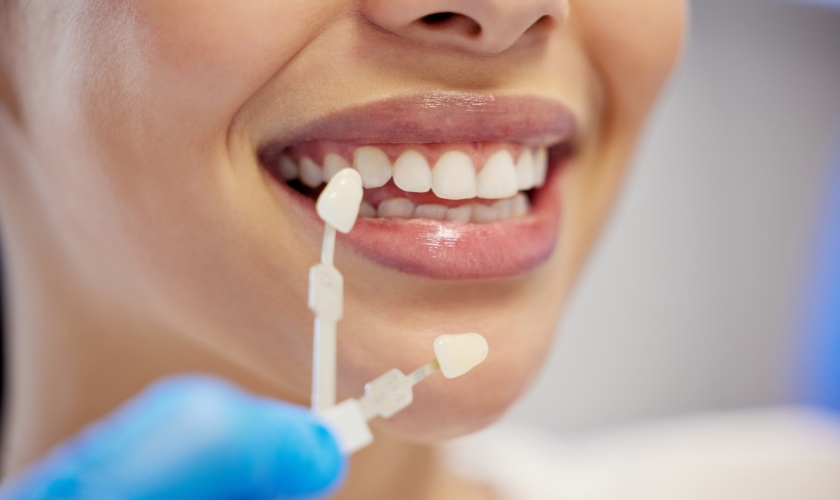


A confident smile can change the way people interact with the world. Many patients today are choosing cosmetic dental treatments to improve the appearance of their teeth and feel more comfortable during everyday conversations, social gatherings, and professional meetings. One option that continues to grow in popularity is the use of thin restorative shells that enhance the shape, color, and symmetry of teeth.
Patients often ask the same important question before beginning treatment: how long will veneers actually last? Understanding the expected lifespan helps people decide whether the treatment is a worthwhile long-term investment.
Dr. Matthew Chaney helps patients understand how treatment materials, oral hygiene routines, and lifestyle habits influence results. When properly cared for, dental veneers can remain strong and attractive for many years, allowing patients to maintain a confident smile through daily life, community events, and busy routines around Circleville and Pickaway County.
What Are Dental Veneers?
Cosmetic dentistry focuses on improving both the appearance and balance of a smile. Veneers are one of the most widely used solutions for people who want to correct visible imperfections without extensive dental procedures.
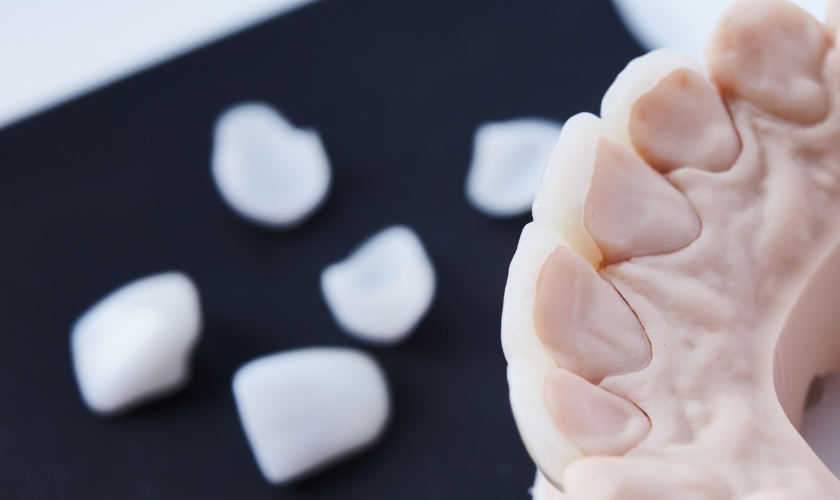
These restorations are thin shells bonded to the front surface of teeth. They are carefully designed to match the natural color and shape of surrounding teeth, so the results appear smooth and natural. Once placed, they help improve the overall symmetry of the smile while maintaining normal bite function.
Most veneers are made from porcelain or composite resin. Porcelain options are popular because they mimic the translucency of natural enamel and resist staining. Composite materials provide another effective option and can often be completed in fewer visits.
Dr. Matthew Chaney evaluates each patient’s smile, facial structure, and oral health before recommending the most suitable treatment plan. The goal is to enhance appearance while maintaining long-term dental health.
Common Issues Veneers Can Correct
These restorations are commonly used to address several cosmetic concerns:
- Tooth discoloration that does not respond to whitening
- Minor gaps between teeth
- Small chips or cracks
- Slight misalignment
- Worn enamel from years of use
Many residents in the Circleville area appreciate treatments that improve their smile without disrupting their active routines, whether attending community events like the Circleville Pumpkin Show or meeting friends at local cafés downtown.
Average Lifespan of Dental Veneers
One of the most common concerns patients have is whether veneers are durable enough to justify the investment. The good news is that modern materials and techniques allow these restorations to last many years when cared for properly.
Porcelain restorations typically last 10 to 15 years or longer. Their durability and stain resistance make them a long-term option for many patients seeking cosmetic improvements. Composite versions generally last 5 to 7 years, though careful maintenance may extend their lifespan.
However, the longevity of dental veneers in Circleville is not determined by materials alone. Several factors influence how long they remain in good condition.
Oral hygiene plays a major role. Daily brushing, flossing, and professional cleanings help maintain healthy gums and prevent decay around the edges of veneers. Healthy surrounding tissues support the restoration and keep it functioning properly.
Bite pressure also matters. People who grind their teeth or frequently chew on hard foods place additional stress on veneers. Over time, excessive pressure may cause wear or damage.
Lifestyle habits influence longevity as well. Patients who maintain balanced diets, avoid chewing ice or hard objects, and follow recommended dental visits often enjoy longer-lasting results.
For many individuals, veneers provide a dependable cosmetic solution that supports both function and appearance for many years.
Factors That Affect How Long Veneers Last
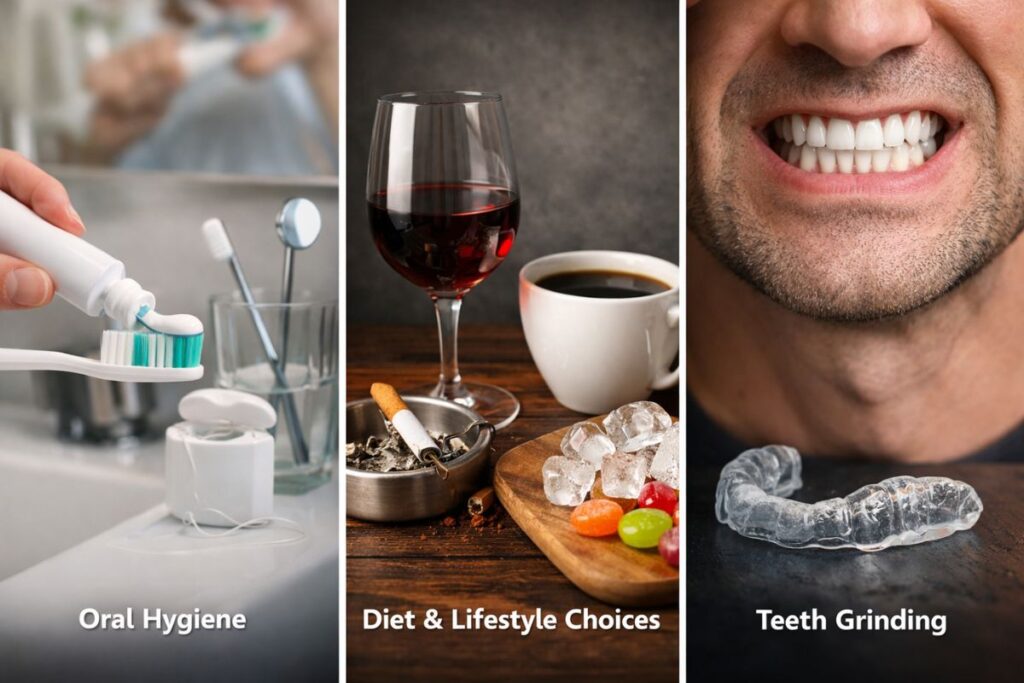
Several everyday habits influence how long veneers maintain their appearance and strength. Understanding these factors allows patients to protect their investment and enjoy lasting results.
Oral Hygiene Habits
Consistent oral hygiene is one of the most important elements of long-term success. Brushing twice daily and flossing regularly helps prevent plaque buildup around veneers and surrounding gum tissue.
Routine dental visits also allow professionals to monitor the condition of restorations and address small issues before they develop into larger problems.
Diet and Lifestyle Choices
Certain lifestyle habits can place additional stress on cosmetic restorations. For example, frequent consumption of coffee, tea, or red wine may gradually affect the surrounding natural enamel. Smoking can also contribute to discoloration and gum health concerns.
Hard foods such as ice, hard candies, or nut shells may place unnecessary pressure on veneers. Patients who avoid biting hard objects often experience better long-term durability.
Teeth Grinding (Bruxism)
Teeth grinding is another factor that can affect veneer lifespan. Many people grind their teeth at night without realizing it. This repeated pressure can gradually weaken restorations over time.
Dentists often recommend nightguards to protect veneers and natural teeth from excessive grinding forces.
Signs That Veneers May Need Replacement
Although veneers are designed for durability, they may eventually require replacement after years of use. Recognizing early warning signs allows patients to seek professional care before additional damage occurs.
Common indicators include:
- Visible chips or cracks
- Discoloration along the edges
- Gum recession exposing margins
- Loose or shifting restorations
- Changes in bite comfort
Small cosmetic changes may develop gradually. Patients sometimes notice these changes when brushing their teeth or examining their smile in the mirror.
Regular dental checkups help detect these concerns early. Dentists can evaluate whether repairs or replacements are needed and ensure the smile remains balanced and functional.
How to Make Your Veneers Last Longer
Patients can extend the lifespan of veneers by following several simple habits that support overall oral health.
Helpful practices include:
- Brush twice daily using non-abrasive toothpaste
- Floss carefully around veneers
- Wear a nightguard if grinding teeth
- Avoid biting ice or hard objects
- Schedule regular dental checkups
Maintaining these habits protects both natural teeth and cosmetic restorations. Many patients find that consistent care allows their veneers to remain attractive and functional for well over a decade.
Dental professionals may also recommend professional cleanings and periodic examinations to evaluate wear patterns and maintain long-term stability.
Porcelain vs Composite Veneers: Which Lasts Longer?
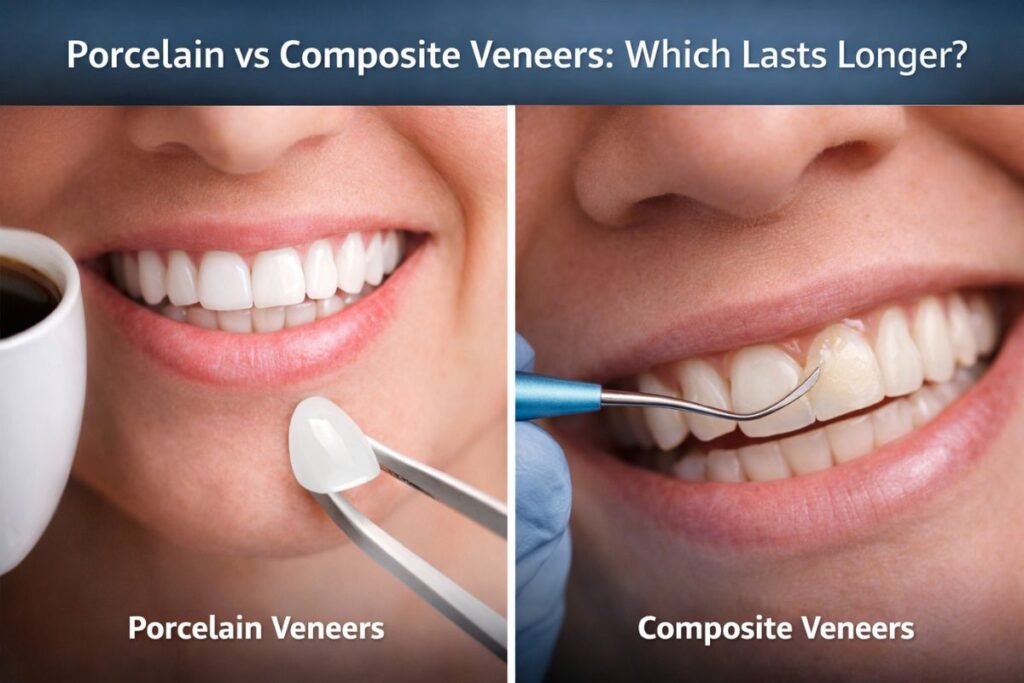
Both porcelain and composite materials provide effective cosmetic improvements, but their longevity and characteristics differ.
Porcelain restorations are known for their durability and natural appearance. The material closely mimics the reflective qualities of enamel, allowing it to blend seamlessly with surrounding teeth. Porcelain is also highly resistant to stains, which helps preserve a bright smile even for people who regularly enjoy coffee or tea.
Composite restorations provide another valuable option. Dental veneers in Circleville are created using a tooth-colored resin that can be sculpted directly onto the teeth. Because the procedure often requires less preparation, some patients prefer this approach when seeking faster cosmetic improvements.
However, composite materials may not last as long as porcelain. While they still provide several years of reliable performance, they are generally more susceptible to wear and staining over time.
During a consultation, dentists evaluate multiple factors when recommending the appropriate material. These considerations include oral health, bite alignment, cosmetic goals, and lifestyle habits. By reviewing these elements carefully, dentists help patients select the option that balances durability, appearance, and long-term satisfaction.
What Happens When Veneers Wear Out?
Like most dental restorations, veneers may eventually require replacement. Fortunately, the process is straightforward and commonly performed.
The first step involves a professional evaluation. The dentist examines the condition of the existing veneers and determines whether replacement is necessary.
If replacement is recommended, the old veneers are carefully removed. The tooth surface is then prepared to ensure a secure bond for the new restoration.
New veneers are custom-designed to match the patient’s natural teeth and facial features. Once placed and bonded, they restore the appearance and function of the smile.
Many patients find the replacement process manageable and similar to their original treatment experience.
Why Professional Evaluation Matters
A professional evaluation plays a critical role in achieving long-lasting results. Dentists carefully examine bite alignment, tooth structure, and gum health before recommending veneers.
Proper bite alignment helps distribute chewing forces evenly, reducing stress on restorations. Selecting the right material also influences durability and appearance.
Routine dental exams allow professionals to monitor the condition of the veneer over time and address minor issues early.
Dr. Matthew Chaney works closely with patients to guide them through each step of the process. By evaluating oral health and understanding individual goals, he helps patients make informed decisions that support both cosmetic improvements and long-term dental health.
When properly maintained, veneers can remain attractive and functional for many years. Daily oral hygiene, balanced habits, and regular dental visits all contribute to long-term success.
For many people, veneers represent more than a cosmetic improvement. They provide renewed confidence during conversations, social gatherings, and everyday interactions.
Patients interested in learning whether this treatment is right for their smile can schedule a consultation with Dr. Matthew Chaney at North Court Family Dentistry. A personalized evaluation can help determine the best approach to achieving a healthy, confident smile that lasts for years.
FAQs
Can veneers last 20 years or more?
Yes, some veneers can last 20 years with excellent care and strong oral health habits. Their longevity often depends on bite pressure, lifestyle choices, and routine dental monitoring.
Do veneers require special maintenance?
Veneers do not require complicated care. Daily brushing, flossing, and regular professional cleanings help maintain both the restorations and the surrounding gum tissue.
Can veneers break or chip over time?
Although veneers are durable, they can chip or crack under excessive pressure. Avoid biting hard objects like ice or hard candy to help protect them.
Do veneers stain like natural teeth?
Porcelain veneers resist stains better than natural enamel. However, surrounding teeth may discolor over time, which can sometimes create a slight color difference.
Is replacing veneers a complicated process?
Replacing veneers is typically straightforward for most patients. A dentist removes the existing restoration, prepares the tooth, and places a new custom veneer.