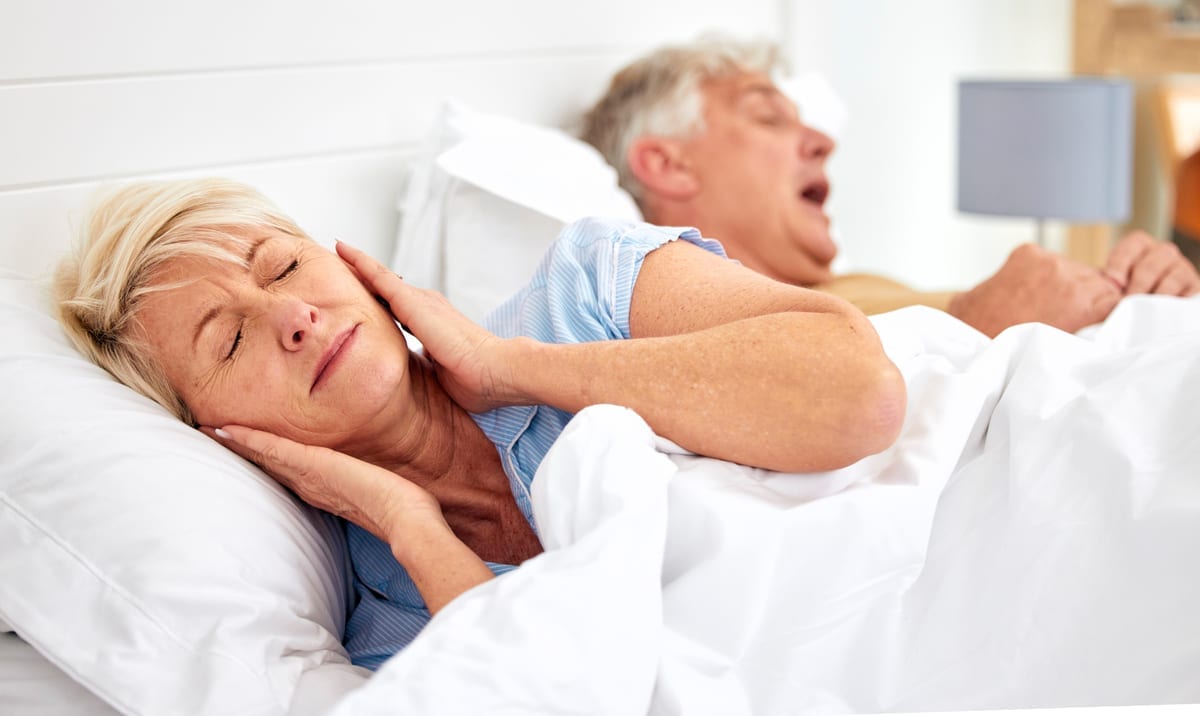
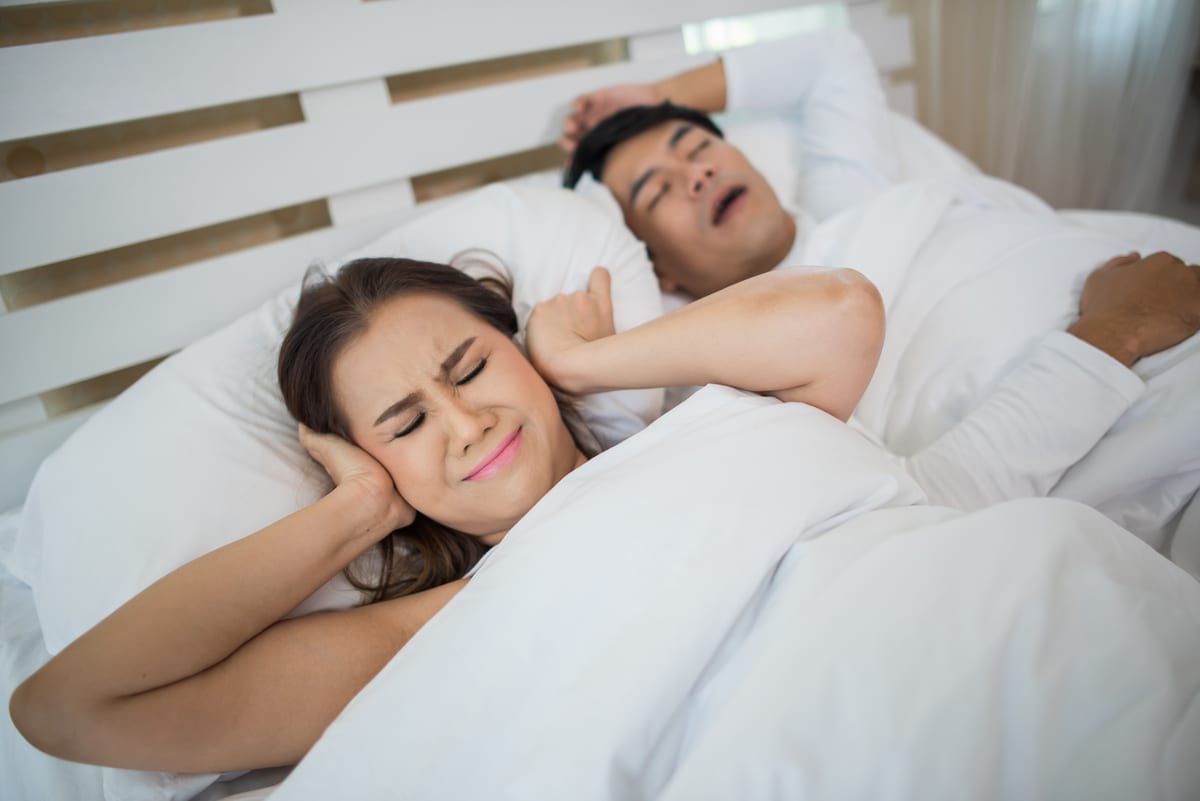
If you live in Logan Elm Village and struggle with restless nights, loud snoring, or daytime fatigue, sleep apnea may be the cause. Understanding what happens during your sleep apnea treatment — a step-by-step guide Logan Elm Village residents can follow — removes the guesswork. At North Court Family Dentistry Circleville, Dr. Matthew Chaney walks every patient through the process clearly. You will know exactly what to expect before, during, and after each stage of care.
Step One: Your Initial Sleep Apnea Consultation in Logan Elm Village
Every treatment journey starts with a thorough one-on-one consultation. Dr. Chaney reviews your sleep history, symptoms, and overall health during this visit. He listens carefully to your concerns without rushing through the conversation.
You may be asked about your snoring patterns, sleep positions, and energy levels throughout the day. A partner or family member’s observations can be very helpful at this stage. Bringing notes about your symptoms makes the consultation even more productive.
Dr. Chaney also performs a visual examination of your airway, jaw, and oral tissues. This helps identify physical factors that could be contributing to airway obstruction. The goal is to build a complete picture of your situation before recommending any next steps.
- Review of sleep symptoms and medical history
- Discussion of snoring, breathing pauses, and fatigue patterns
- Visual examination of the mouth, jaw, and airway
- Conversation about your lifestyle and sleep habits
Step Two: Diagnostic Testing and Sleep Study Coordination
After the consultation, Dr. Chaney may recommend a sleep study to confirm your diagnosis. This study can take place at a sleep center or at home with a portable monitoring device. The results measure your breathing, oxygen levels, and sleep quality overnight.
Once your results are reviewed, Dr. Chaney interprets the findings alongside your symptoms. A formal diagnosis of obstructive sleep apnea guides the treatment plan he recommends. You will never be pushed into a treatment option that does not fit your specific situation.
Some patients are surprised to learn that a dental appliance can effectively treat mild to moderate obstructive sleep apnea. This is a key part of what makes dental sleep medicine so valuable. Dr. Chaney explains every option in plain language so you can make an informed decision.
Step Three: Custom Oral Appliance Fitting and Fabrication
If an oral appliance is the right fit for you, Dr. Chaney takes precise impressions or digital scans of your teeth and bite. These measurements ensure your appliance fits comfortably and functions correctly. Accuracy at this stage makes a significant difference in your long-term results.
The appliance is crafted specifically for your mouth at a dental laboratory. Most patients receive their custom device within one to two weeks. When it arrives, Dr. Chaney checks the fit carefully and makes any necessary adjustments during a follow-up appointment.
Oral appliances work by gently repositioning the lower jaw during sleep. This keeps the airway open and reduces or eliminates apnea episodes. Many patients notice an improvement in sleep quality within the first few nights of use.
- Digital or physical impressions taken for a precise fit
- Custom fabrication at a professional dental laboratory
- In-office fitting appointment with adjustments as needed
- Instructions for wearing, cleaning, and storing the appliance
- Follow-up monitoring to track your progress and comfort
Step Four: Ongoing Monitoring and Follow-Up Care
Sleep apnea treatment does not end once you receive your appliance. Dr. Chaney schedules regular follow-up visits to monitor your progress and ensure effective results. These appointments give you a chance to report any discomfort or changes in your sleep quality.
Adjustments to the appliance are common and completely normal during the early weeks. Your jaw adapts over time, and the device may need fine-tuning to maintain effectiveness. Dr. Chaney makes these changes quickly and comfortably right in the office.
Annual reviews help ensure your appliance still fits correctly as your mouth changes over time. Worn or damaged devices are repaired or replaced as needed. Consistent monitoring is the key to long-term success with dental sleep apnea treatment.
Patients with children who snore or mouth-breathe should also explore Pediatric Sleep And Habit Correction options at our practice. Early intervention can prevent sleep-related issues from affecting your child’s growth and development. Our team provides age-appropriate care in a welcoming environment.
How Dr. Chaney Keeps Logan Elm Village Patients Comfortable Throughout Treatment
Comfort is a priority at every stage of sleep apnea care at North Court Family Dentistry Circleville. Dr. Chaney and his team take a calm, patient-centered approach to every appointment. No question is too small, and no concern goes unaddressed.
The office environment is designed to feel welcoming rather than clinical or intimidating. Patients from Logan Elm Village and surrounding communities consistently describe their experience as friendly and reassuring. That atmosphere makes it easier to stay engaged in your treatment plan.
Families are also welcome to ask about Pediatric Dentistry services during any visit. Our team cares for patients of all ages under one roof. Bringing the whole family to one trusted practice simplifies your dental care routine.
If you are ready to take control of your sleep health, North Court Family Dentistry Circleville is here to help. Dr. Chaney combines clinical expertise with genuine compassion for every patient he sees. Book Now to schedule your appointment with our team.
Frequently Asked Questions
How long does sleep apnea treatment take from start to finish?
The timeline varies depending on your individual needs. Most patients complete the consultation and diagnostic phase within two to three weeks. Custom appliance fabrication typically adds another one to two weeks. Follow-up care continues for as long as you wear the device.
Is a dental oral appliance comfortable to wear at night?
Most patients adjust to their oral appliance within one to two weeks. There may be mild jaw soreness at first as your muscles adapt. Dr. Chaney makes adjustments to improve comfort during follow-up visits. The majority of patients find the appliance far more comfortable than a CPAP machine.
Will I need a sleep study before getting a dental appliance?
A sleep study is typically recommended to confirm your diagnosis before treatment begins. This ensures the appliance addresses the right type and severity of sleep apnea. Dr. Chaney can help coordinate a home or in-lab sleep study for you. A confirmed diagnosis also makes your treatment plan more accurate and effective.
Can children be treated for sleep apnea at your practice?
Yes, Dr. Chaney offers pediatric sleep and habit correction services for younger patients. Children with snoring, mouth breathing, or restless sleep may benefit from early intervention. Our team uses gentle, age-appropriate methods to evaluate and treat pediatric sleep concerns. Early treatment can support healthy growth, development, and academic performance.
What should I bring to my first sleep apnea consultation?
Bring a list of your symptoms and how long you have experienced them. Notes from a bed partner about snoring or breathing pauses are very helpful. Any previous sleep study results or medical records related to sleep health are welcome. The more information Dr. Chaney has upfront, the more personalized your care will be.