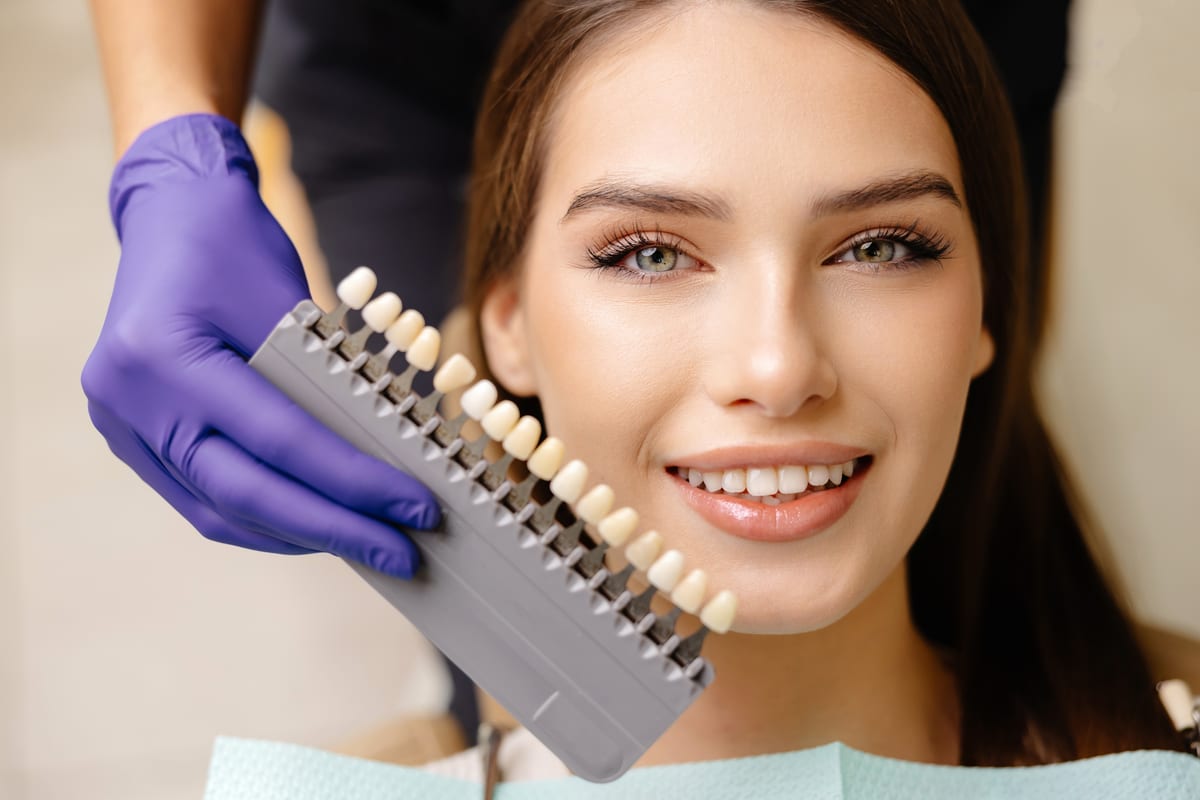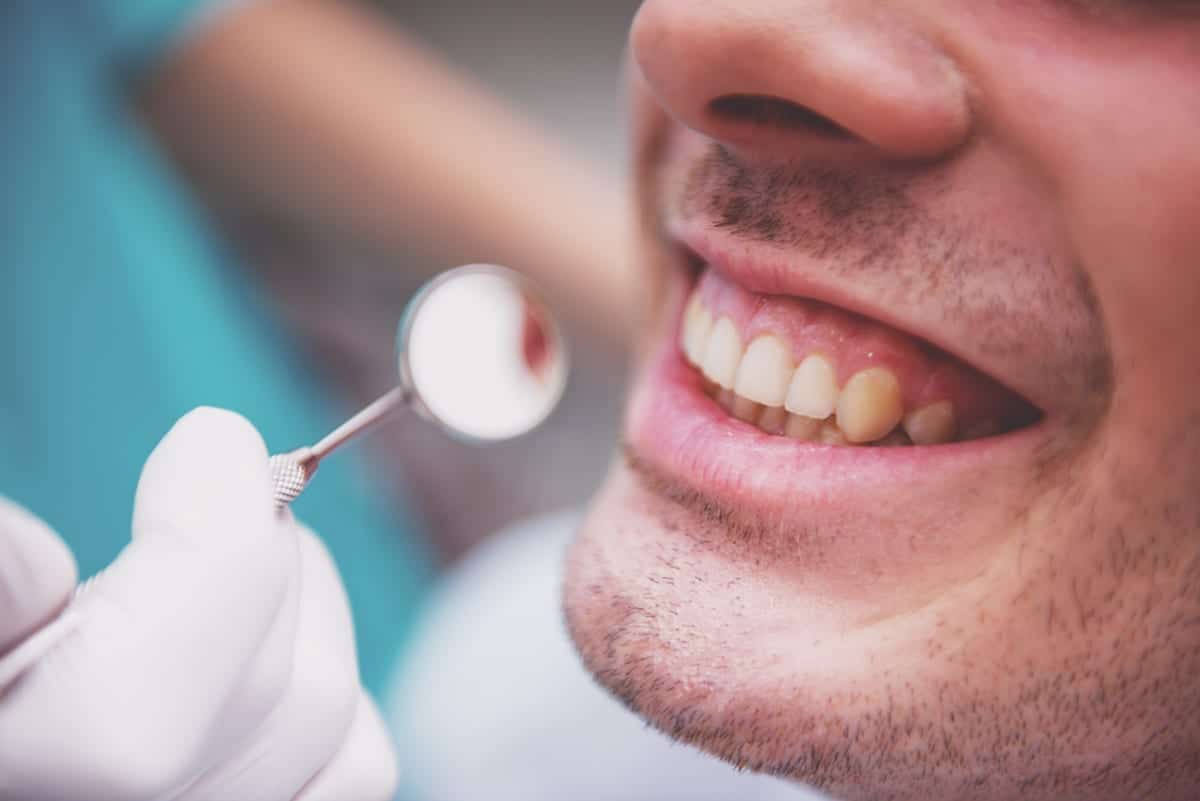

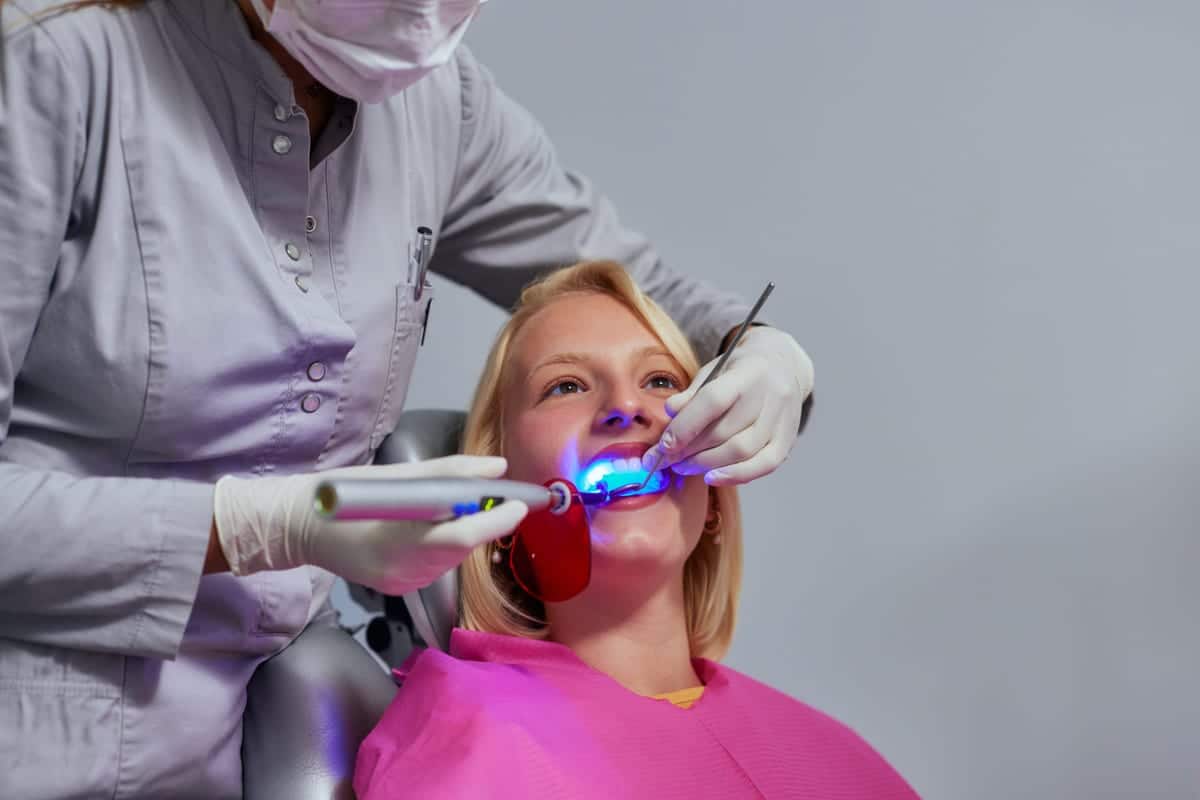
Teeth whitening is one of the most requested cosmetic treatments we see at North Court Family Dentistry. Patients in Circleville, OH ask us all the time whether it will actually work for them. The honest answer is — it depends. Will teeth whitening actually work for you in Circleville? That depends on the type of staining you have and the current condition of your teeth. This guide helps you self-screen before you book a whitening appointment.
How Teeth Whitening Works — and Why It Has Limits
Whitening treatments use peroxide-based agents to break apart stain molecules inside tooth enamel. This process works well on surface-level and enamel-based discoloration. However, whitening cannot change the color of anything that isn’t natural tooth enamel. That distinction matters more than most people realize.
The active ingredient penetrates the outer layer of your tooth. It oxidizes the compounds causing discoloration. Results depend heavily on what caused the staining in the first place. Some stains respond beautifully. Others don’t budge at all.
Understanding these limits helps you make a smarter decision. It also saves you from spending money on a treatment that won’t deliver what you’re hoping for. Dr. Matthew Chaney evaluates each patient individually before recommending whitening at our Circleville office.
Who Gets the Best Results from Teeth Whitening in Circleville
The best candidates for whitening share a few common traits. Their discoloration comes from external sources — things like food, drinks, and lifestyle habits. These are called extrinsic stains, and they respond very well to peroxide treatments.
You’re likely a strong candidate if your staining comes from:
- Coffee, tea, or red wine consumption
- Tobacco or smoking habits
- Dark-colored foods like berries or soy sauce
- General aging and surface yellowing over time
- Infrequent professional cleaning
Patients with generally healthy teeth and gums also see better results. Active cavities or gum disease can cause sensitivity and interfere with treatment. Treating those issues first gives whitening the best possible environment to work in.
Who May Not See Results — and Why
This is the most important section for many patients. Some types of discoloration simply do not respond to whitening. Knowing this ahead of time prevents frustration and wasted effort.
Intrinsic stains are the main challenge. These originate inside the tooth itself, not on the surface. No amount of peroxide can reach and reverse those internal color changes. They require a different cosmetic approach entirely.
Common causes of intrinsic staining include:
- Tetracycline or other antibiotic use during tooth development
- Excessive fluoride exposure in childhood (dental fluorosis)
- Tooth trauma that caused internal bleeding or nerve damage
- Natural genetic variation in tooth color
- Aging dentin that has darkened beneath the enamel
Medication-induced staining is particularly resistant. Tetracycline staining often appears as gray or brown banding across the teeth. Whitening can sometimes lighten it slightly, but rarely eliminates it. Patients with this type of staining often benefit more from cosmetic solutions like veneers.
Restorations That Won’t Whiten — Crowns, Veneers, and Fillings
This is a point that surprises many patients. Whitening agents only work on natural tooth enamel. They have no effect on dental materials like porcelain, composite resin, or ceramic. That includes crowns, veneers, bonding, and tooth-colored fillings.
If you have visible restorations in your smile zone, whitening can create a mismatch. Your natural teeth may lighten while your restorations stay the same shade. This can actually make restorations more noticeable — not less.
This doesn’t mean whitening is off the table for you. It just means your treatment plan needs careful coordination. Dr. Chaney can help you assess whether whitening makes sense alongside your existing dental work. In some cases, patients whiten first and then replace older restorations to match the new shade.
Sensitivity Concerns and How We Address Them
Tooth sensitivity is one of the most common reasons patients hesitate about whitening. It’s a valid concern, but it’s also very manageable with the right approach. Not everyone experiences sensitivity, and the degree varies widely.
Patients with naturally thin enamel or existing sensitivity tend to feel it more. Using lower-concentration formulas and spacing out treatments helps significantly. Desensitizing toothpastes and fluoride treatments before and after also reduce discomfort. Our team takes sensitivity concerns seriously and adjusts protocols accordingly.
If you’ve had sensitivity during past whitening attempts, tell Dr. Chaney before your next appointment. There are gentler options available that still produce meaningful results. Rushing through whitening too aggressively is rarely worth the discomfort.
When a Different Cosmetic Solution Makes More Sense
Whitening isn’t the right answer for every patient, and that’s completely okay. If you have intrinsic staining, heavy restorations, or stubborn discoloration, other options may give you a much better outcome. The goal is a smile you’re genuinely happy with — not just a whitening treatment for its own sake.
Patients who don’t qualify for whitening often find great results with cosmetic dentistry alternatives available at our Circleville practice. Veneers, for example, can completely cover deep or medication-induced staining. They also address shape and size concerns at the same time. Bonding is another minimally invasive option for smaller areas of discoloration.
For patients with younger children curious about dental habits early on, our team also offers Pediatric Sleep And Habit Correction services. Building healthy habits young sets the stage for a lifetime of better dental outcomes. Our Pediatric Dentistry services make it easy for the whole family to get the care they need under one roof.
What to Expect During a Whitening Consultation at North Court Family Dentistry
Your whitening consultation starts with a full evaluation of your teeth and gums. Dr. Chaney identifies the type of staining present and assesses your existing dental work. From there, he recommends the most appropriate whitening approach — or an alternative if needed. You’ll leave with a clear, realistic picture of what results to expect.
In-office whitening produces faster, more dramatic results than over-the-counter options. Take-home trays from our office use professional-grade formulas with custom-fitted trays. Both options are safe and effective when supervised properly. We’ll help you decide which fits your goals and timeline.
You deserve to know exactly what’s possible before you invest in any cosmetic treatment. That transparency is something Dr. Chaney prioritizes with every patient at our Circleville practice. Book Now to schedule your appointment with our team.
Frequently Asked Questions
Does teeth whitening work on all types of stains?
No. Whitening works best on extrinsic stains caused by food, drinks, and tobacco. Intrinsic stains — caused by medication, trauma, or genetics — often don’t respond well to peroxide-based whitening treatments.
Will whitening affect my crowns or veneers?
Whitening agents do not change the color of crowns, veneers, or composite fillings. Only natural tooth enamel responds to the treatment. If you have restorations in visible areas, Dr. Chaney will assess whether whitening still makes sense for your smile.
Is teeth whitening safe if I have sensitive teeth?
Yes, with the right precautions. Lower-concentration formulas, shorter treatment sessions, and desensitizing products can make whitening comfortable even for sensitive patients. Always share your sensitivity history with your dentist before starting treatment.
How long do whitening results last?
Results typically last between six months and two years depending on your diet and habits. Avoiding staining foods and beverages helps maintain your results longer. Occasional touch-up treatments can extend the effects significantly.
What if whitening doesn’t work for me?
There are excellent alternatives. Veneers and dental bonding can cover staining that whitening cannot treat. Dr. Chaney at North Court Family Dentistry will recommend the best cosmetic option based on your specific situation and goals.