
Many patients in Circleville want a brighter, more even smile. But before committing to veneers, they have one important question. They want to know what happens to your tooth during the veneer bonding process in Circleville. Understanding each step helps you feel confident walking into your appointment. Dr. Matthew Chaney at North Court Family Dentistry guides every patient through this process with care and transparency.
Starting with a Veneer Consultation in Circleville
Every veneer journey begins with a thorough consultation. Dr. Chaney examines your teeth, gums, and bite to determine if veneers are the right fit. He also reviews your smile goals and answers any questions you bring to the appointment.
During this visit, he checks your enamel health. Strong enamel is essential for successful veneer placement. If gum issues are present, those are addressed first through Pediatric Sleep And Habit Correction or other appropriate care before cosmetic work begins.
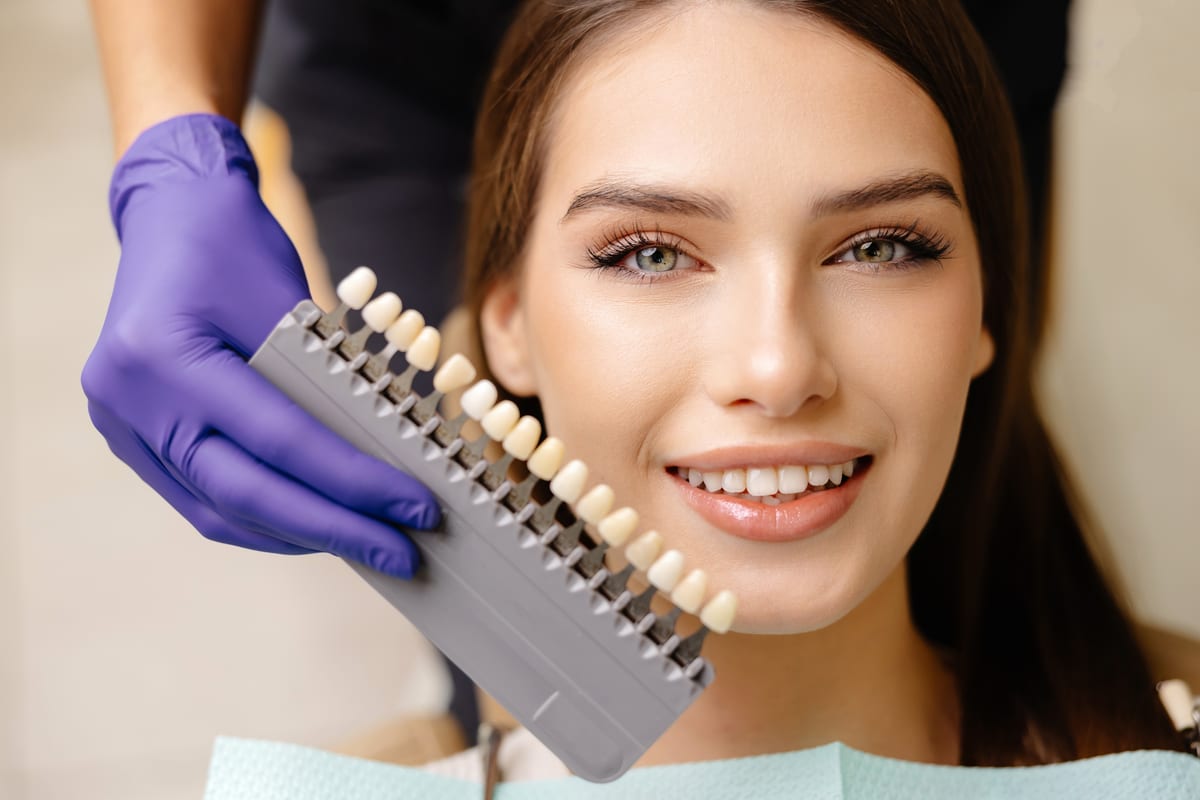
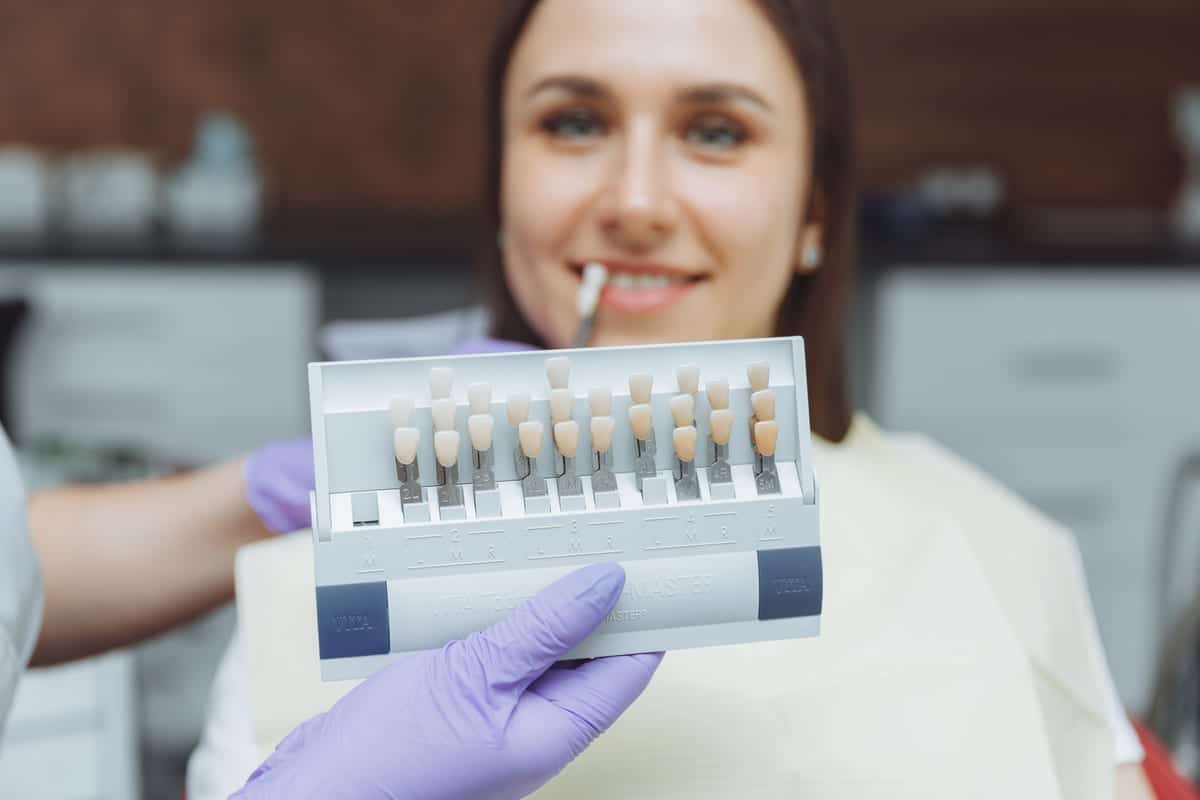
Shade selection also starts here. Dr. Chaney uses a shade guide to match your veneers to your desired tooth color. You get to have input in choosing a shade that looks natural and flattering for your face.
Here is what the consultation typically covers:
- Full oral health exam and X-rays if needed
- Discussion of your smile goals and expectations
- Shade matching and veneer material selection
- Review of the full treatment timeline
- Questions about sensitivity, recovery, and aftercare
What Enamel Removal Actually Involves During the Veneer Bonding Process in Circleville
This is the step that concerns most patients. A small amount of enamel must be removed from each tooth receiving a veneer. This process is called tooth preparation or reduction. It creates a rough surface that allows the veneer to bond securely.
The amount removed is very small — typically between 0.3 and 0.5 millimeters. That is about the thickness of a contact lens. Dr. Chaney is precise and conservative with this step to preserve as much natural tooth structure as possible.
Local anesthesia is used so you stay comfortable throughout preparation. Most patients report little to no discomfort during this part of the procedure. The goal is to reshape the tooth just enough for the veneer to sit flush and feel natural.
It is important to understand that this step is permanent. Once enamel is removed, the tooth will always need a veneer or crown for protection. Dr. Chaney explains this clearly before any work begins so patients can make a fully informed choice.
Understanding the Temporary Veneer Phase
After your teeth are prepared, impressions or digital scans are taken. These are sent to a dental laboratory where your custom veneers are crafted. This process typically takes one to two weeks.
During that waiting period, Dr. Chaney places temporary veneers over your prepared teeth. These temporaries protect your teeth and give you a preview of your new smile. They are not as polished as your final veneers, but they serve an important protective function.
You may notice some sensitivity during the temporary phase. This is normal and usually mild. Avoid very hot, cold, or hard foods while wearing temporaries to keep them intact.
The temporary phase is also a chance to give feedback. If the shape or length feels off, Dr. Chaney can pass those notes to the lab. Small adjustments can be made before your permanent veneers are finalized.
The Final Bonding Appointment: How Veneers Are Permanently Placed
When your custom veneers arrive from the lab, you return for your bonding appointment. This is the most exciting step in the process. Dr. Chaney first places each veneer without adhesive to check the fit and color.
If everything looks right, your teeth are cleaned and lightly etched. Etching creates a textured surface that improves the bond between the veneer and your tooth. A special dental cement is then applied to the back of the veneer.
The veneer is carefully pressed onto the tooth in precise alignment. A curing light activates the bonding cement almost instantly. Any excess cement is removed, and the edges are polished for a smooth finish.
Here is a quick summary of the final bonding steps:
- Try-in of veneers to verify fit and shade
- Tooth surface cleaning and light etching
- Application of dental bonding cement
- Placement and light-curing of each veneer
- Removal of excess cement and final polish
- Bite check and minor adjustments if needed
The entire bonding appointment usually takes one to two hours depending on how many veneers are placed. You leave with a fully transformed smile that same day.
Caring for Your Teeth After the Veneer Bonding Process in Circleville
Veneers are durable, but they do require consistent care. Brush twice daily with a non-abrasive toothpaste. Floss around each veneer gently every day to prevent gum issues from developing over time.
Avoid biting hard objects like ice, pens, or fingernails. These habits can chip or crack porcelain veneers. If you grind your teeth at night, Dr. Chaney may recommend a custom nightguard to protect your investment.
Families with children who are considering Pediatric Dentistry services can also ask about age-appropriate smile care at North Court Family Dentistry. Building good habits early supports long-term oral health for the whole family.
With proper care, porcelain veneers can last ten to fifteen years or longer. Attending regular checkups at North Court Family Dentistry helps Dr. Chaney monitor the condition of your veneers and address any issues early.
Frequently Asked Questions
Does getting veneers hurt?
Most patients experience little to no pain during the veneer process. Local anesthesia is used during tooth preparation to keep you comfortable. Some mild sensitivity between appointments is normal and typically fades quickly.
How many appointments does the veneer process take?
The process usually requires two to three appointments. The first is your consultation, the second is tooth preparation and temporary placement, and the third is final bonding. Dr. Chaney works efficiently to minimize your time in the chair.
Will my veneers look natural?
Yes. Modern porcelain veneers are designed to closely mimic natural tooth enamel. Dr. Chaney works with quality dental labs and involves you in shade selection. The result is a smile that looks refined and completely natural.
Can veneers be removed once they are placed?
Veneers are considered a permanent treatment. Because a thin layer of enamel is removed during preparation, the tooth will always require some form of coverage. This is why Dr. Chaney ensures every patient fully understands the commitment before starting.
How do I know if veneers are right for me?
The best way to find out is through a consultation with Dr. Chaney at North Court Family Dentistry in Circleville. He evaluates your oral health, discusses your goals, and helps you decide if veneers are the ideal solution for your smile. Book Now to schedule your appointment with our team.