
When it comes to improving your smile, two popular options often come up: veneers and dental bonding. Many Circleville patients ask which choice truly delivers longer-lasting results. The answer depends on your goals, budget, and dental health. Understanding veneers vs. bonding — which smile fix actually lasts longer in Circleville — helps you make a confident, informed decision with Dr. Matthew Chaney at North Court Family Dentistry.
What Are Veneers and How Do They Work?
Veneers are thin porcelain or composite shells bonded to the front surface of teeth. They cover chips, gaps, discoloration, and mild misalignment. Porcelain veneers require removing a small amount of enamel during preparation. This makes the procedure largely irreversible once started.
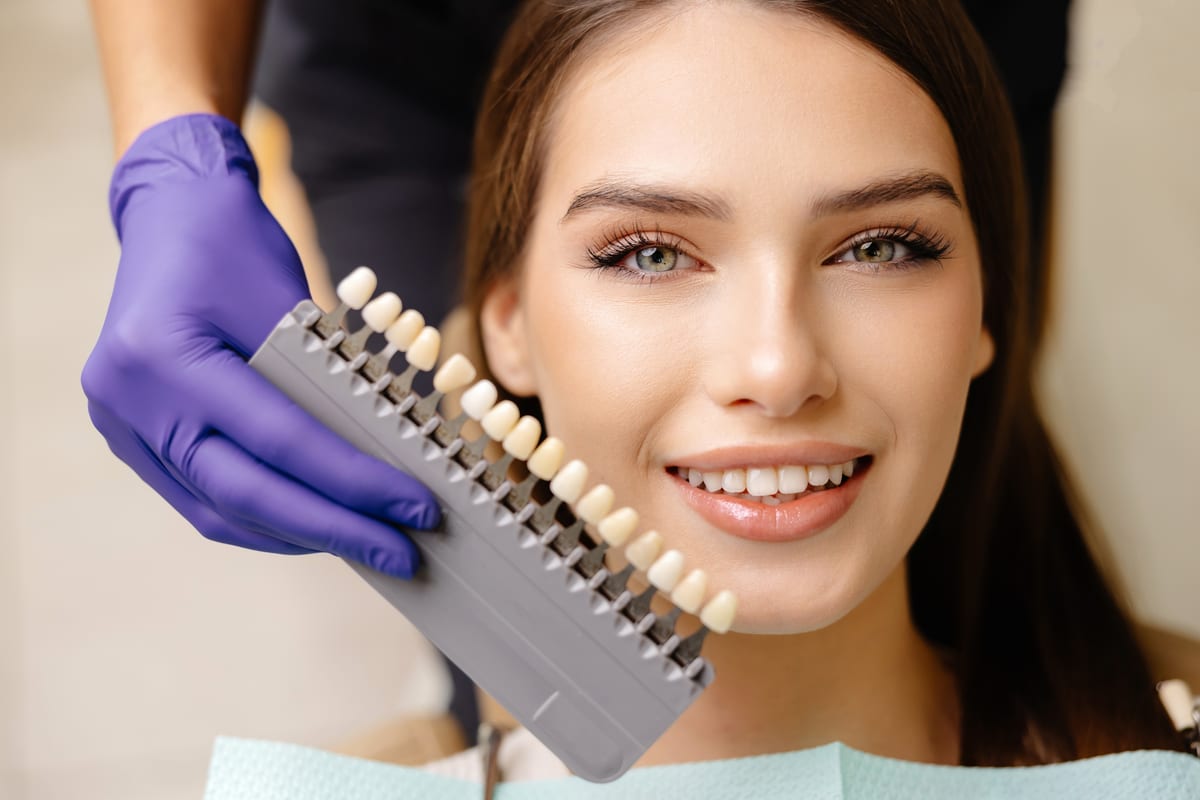
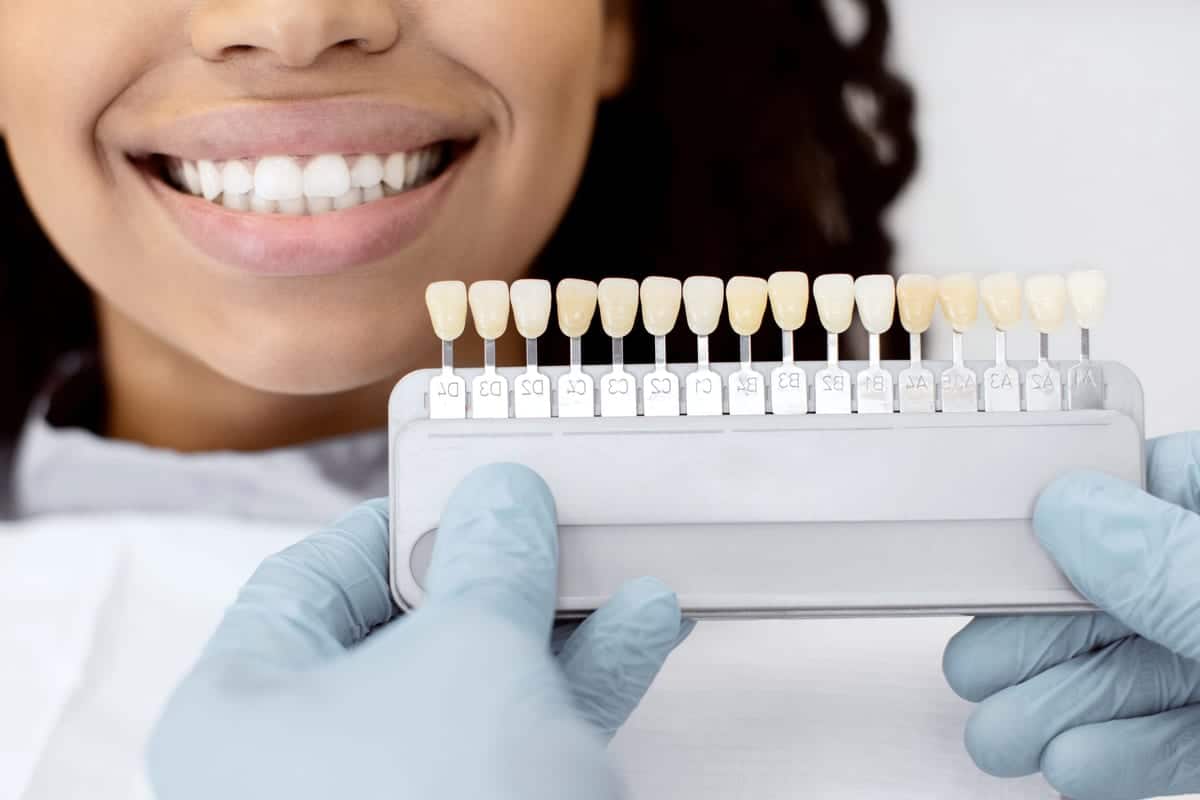
The veneer process typically takes two to three appointments. Dr. Chaney takes impressions and works with a dental lab to create custom-fitted shells. Once placed, porcelain veneers blend naturally with surrounding teeth. They resist stains better than natural enamel in most cases.
Veneers are a strong choice for patients wanting a dramatic, uniform smile transformation. They work especially well for multiple teeth with consistent cosmetic concerns. The results tend to look polished and highly aesthetic. Many patients consider veneers a long-term investment in their appearance.
What Is Dental Bonding and When Does It Make Sense?
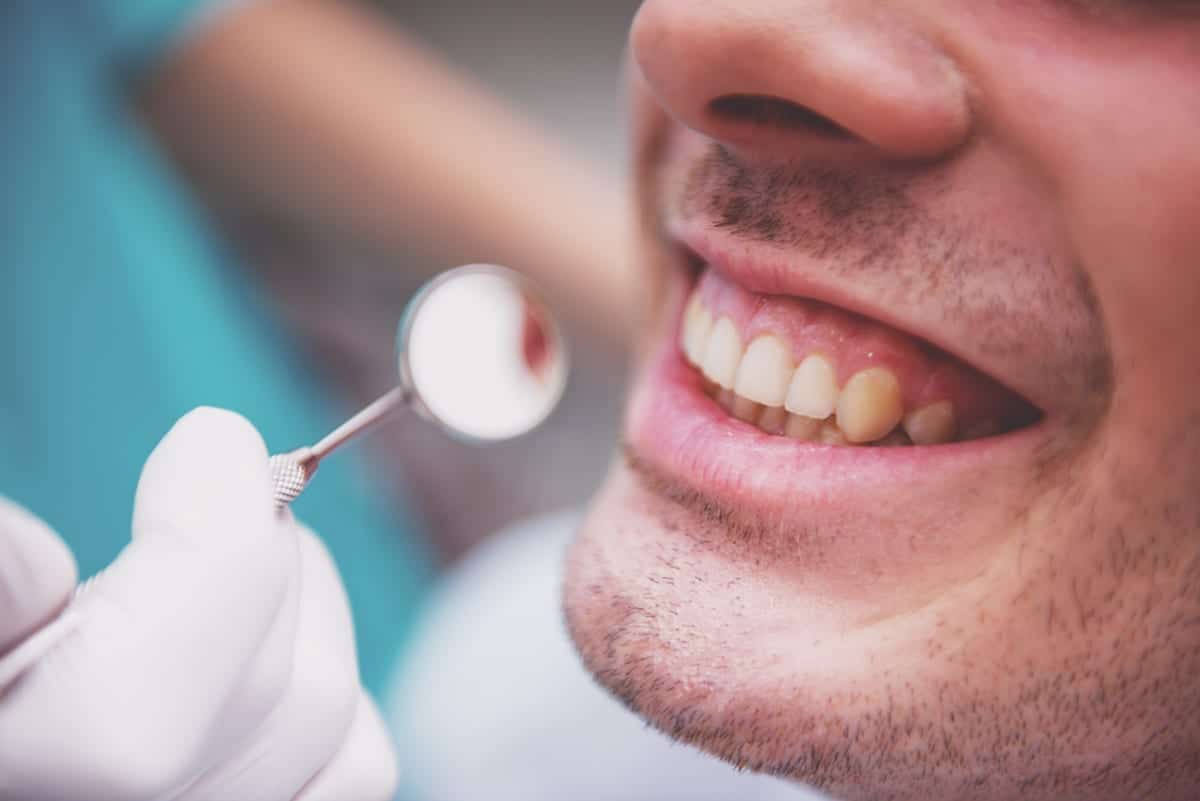
Dental bonding uses a tooth-colored resin applied directly to the tooth surface. The dentist shapes and hardens it with a special curing light. Bonding can fix chips, small gaps, minor cracks, and surface discoloration. The entire process usually completes in a single appointment.
Unlike veneers, bonding requires little to no removal of existing enamel. This makes it a conservative and reversible option. It works best for minor cosmetic repairs rather than full smile makeovers. Bonding is also one of the most affordable cosmetic dental treatments available.
The resin used in bonding is not as stain-resistant as porcelain. Over time, it may discolor from coffee, tea, or tobacco use. However, bonding repairs are simple and cost-effective. Many patients use bonding as a short-term fix before considering veneers later.
Comparing Longevity: Which Option Actually Lasts Longer?
This is the core of the veneers vs. bonding debate for Circleville patients. Porcelain veneers typically last between 10 and 20 years with proper care. Dental bonding generally lasts 3 to 7 years before needing repair or replacement. The difference comes down to material strength and surface durability.
Porcelain is much harder and more resistant to daily wear than composite resin. Bonding can chip if you bite hard foods or grind your teeth at night. Veneers hold up better under normal biting forces over time. If longevity is your top priority, veneers offer a clear advantage.
That said, bonding can be repaired quickly and inexpensively when it chips or stains. Veneer repairs are more involved and typically cost more per tooth. Your lifestyle habits play a significant role in how long either option lasts. Patients who avoid hard foods and maintain good hygiene get the best results from both treatments.
- Porcelain veneers last 10–20 years on average
- Dental bonding lasts 3–7 years on average
- Veneers resist staining better than bonding resin
- Bonding is easier and cheaper to repair when damaged
- Teeth grinding shortens the lifespan of both treatments
Cost and Invasiveness: What Circleville Patients Should Know
Cost is often the deciding factor for many patients choosing between these options. Dental bonding typically costs significantly less per tooth than porcelain veneers. Veneers require lab fabrication, which adds both time and expense. Bonding can be a smart starting point for budget-conscious patients.
Invasiveness is another important consideration. Veneers require irreversible enamel removal, which is a permanent change to your tooth. Bonding is additive and does not require altering the natural tooth structure. For younger patients or those with mild concerns, bonding offers a gentler entry point into cosmetic dentistry.
However, the long-term cost comparison shifts over time. Bonding may need replacement two or three times in the same period one set of veneers would last. Some patients ultimately spend more on repeated bonding treatments. Dr. Chaney can help you calculate which option makes more sense for your specific situation.
- Bonding costs less upfront per tooth
- Veneers require a higher initial investment
- Bonding involves no enamel removal
- Veneers involve permanent enamel shaping
- Long-term bonding costs may exceed veneer costs over time
How to Choose the Right Option for Your Smile Goals
Choosing between veneers and bonding starts with identifying your specific goals. Are you fixing one chipped tooth or transforming your entire smile? Do you want results that last a decade or more? Your answers will guide the recommendation Dr. Chaney makes at your consultation.
Bonding works best for single-tooth repairs, minor chips, or patients who prefer a reversible option. Veneers are ideal for patients who want a complete smile transformation with lasting results. Both options can dramatically improve confidence and appearance. Neither is universally better — the right choice depends on your unique needs.
Age and overall dental health also factor into the decision. Patients with significant enamel wear or deep staining often benefit more from veneers. Those with healthy enamel and minor flaws may find bonding fully sufficient. North Court Family Dentistry serves patients of all ages, including those seeking Pediatric Dentistry for younger family members with cosmetic concerns.
It is also worth noting that some cosmetic concerns in children stem from habits developed early in life. For families managing these patterns, our team also offers Pediatric Sleep And Habit Correction services to address underlying issues before they affect permanent teeth.
What to Expect During Your Cosmetic Consultation in Circleville
Your first step is a thorough consultation with Dr. Matthew Chaney. He will examine your teeth, discuss your smile goals, and review your dental and medical history. Digital imaging or photographs may be taken to help visualize potential results. This appointment is educational — not a sales pitch.
Dr. Chaney will explain the pros and cons of each option based on your specific case. He will discuss realistic timelines, expected outcomes, and aftercare requirements. You will leave the consultation with a clear understanding of your choices. There is no pressure to commit on the same day.
North Court Family Dentistry in Circleville takes a patient-centered approach to cosmetic care. Every treatment recommendation is grounded in your long-term oral health. Dr. Chaney believes informed patients make the best decisions for themselves. His goal is to give you the knowledge you need to move forward confidently.
Frequently Asked Questions
Are veneers painful to get?
Most patients experience minimal discomfort during the veneer process. A local anesthetic is used during enamel preparation to keep you comfortable. Some sensitivity may occur after placement, but it typically fades within a few days. Dr. Chaney takes care to ensure the procedure is as comfortable as possible.
Can dental bonding fix the same problems as veneers?
Bonding can address many of the same cosmetic issues, including chips, cracks, gaps, and staining. However, bonding works best for minor or isolated concerns. Veneers provide more dramatic and uniform results for patients with multiple aesthetic issues. Your dentist can help you determine which treatment fits your specific case.
How do I make veneers or bonding last longer?
Avoid biting hard objects like ice, pens, or fingernails. Brush and floss daily using a non-abrasive toothpaste. If you grind your teeth at night, ask about a custom nightguard to protect your investment. Regular dental checkups also help catch early wear before it becomes a bigger problem.
Is bonding a good temporary option before getting veneers?
Yes, bonding can serve as an effective short-term solution while you plan for veneers. It allows you to improve your smile affordably without committing to an irreversible procedure. Many patients use bonding to evaluate cosmetic changes before moving forward with veneers. Dr. Chaney can help you create a phased treatment plan that fits your timeline and goals.
How soon will I see results after treatment?
Dental bonding delivers immediate results in a single appointment. You leave the office with a visibly improved smile the same day. Porcelain veneers typically require a two-to-three week wait for lab fabrication. Temporary veneers are usually placed to protect your teeth during that waiting period.
Whether you are leaning toward veneers or bonding, the best next step is a personalized consultation with Dr. Matthew Chaney at North Court Family Dentistry in Circleville. He will help you weigh your options, set realistic expectations, and create a plan tailored to your smile. You deserve a solution that fits your life and lasts. Book Now to schedule your appointment with our team.