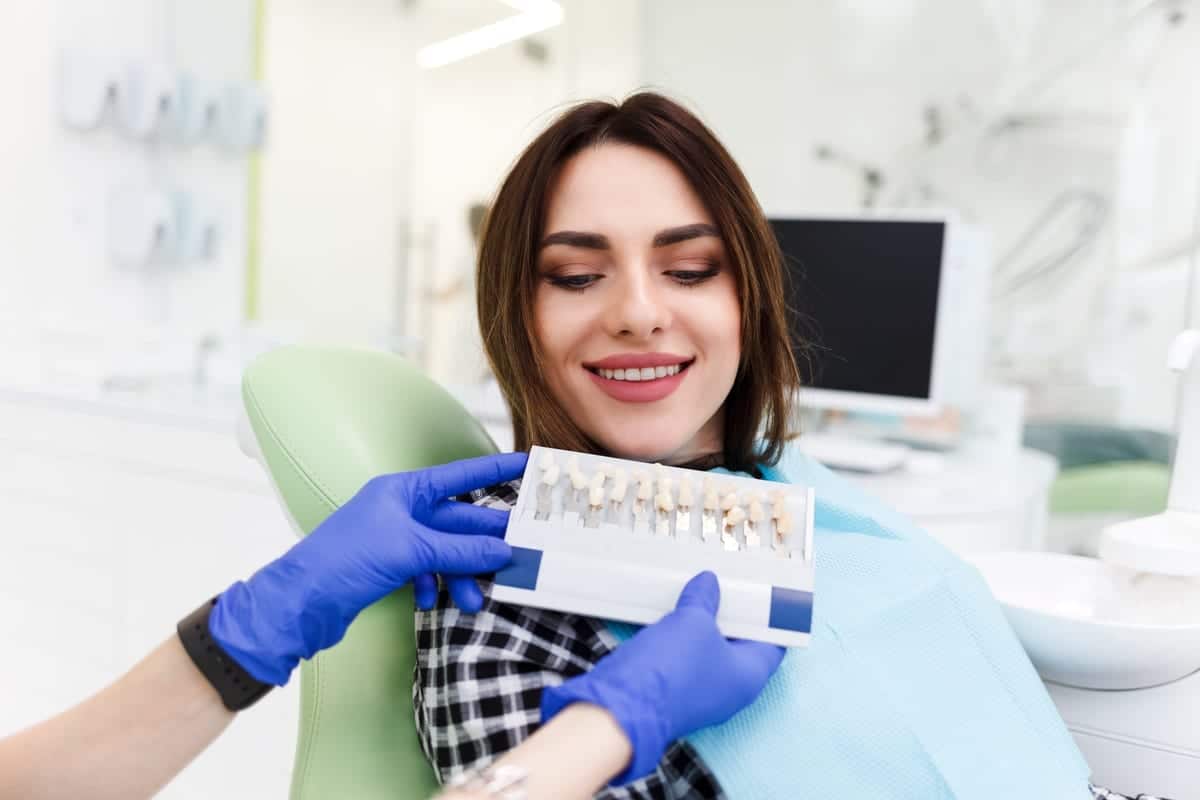


If you have tried whitening strips, trays, or toothpaste without results, you are not alone. Many patients in Circleville ask why your teeth whitening isn’t working — and the answer often comes down to the type of stain. Not all discoloration responds to bleaching treatments the same way. Understanding the difference can save you time, money, and frustration.
At North Court Family Dentistry Circleville, Dr. Matthew Chaney helps patients find the right solution for their specific stain type. The key is knowing whether you are dealing with surface discoloration or something deeper. This guide breaks it all down in plain language so you can make an informed decision.
Extrinsic Stains: The Surface Discoloration Whitening Can Fix
Extrinsic stains live on the outer layer of your tooth enamel. They are caused by everyday habits and are the most responsive to whitening treatments. Common culprits include coffee, tea, red wine, and tobacco use.
Here are some of the most common sources of extrinsic staining:
- Coffee and tea consumed daily
- Red wine and dark juices
- Tobacco products, both smoked and chewed
- Certain sauces like soy sauce or tomato-based foods
- Poor brushing habits that allow surface buildup
Over-the-counter whitening products work by using low concentrations of hydrogen peroxide. They break down these surface molecules effectively in mild to moderate cases. Professional whitening from Dr. Chaney uses stronger formulas with better results. If your stains are extrinsic and mild, whitening is likely a great option for you.
Intrinsic Stains: Why Whitening Products Often Fall Short in Circleville
Intrinsic stains are located inside the tooth structure itself — in the dentin layer beneath the enamel. These stains cannot be removed by bleaching alone. Whitening agents simply cannot penetrate deep enough to affect them.
Several factors can cause intrinsic staining:
- Tetracycline antibiotic use during childhood tooth development
- Excessive fluoride exposure during early development, causing fluorosis
- Tooth trauma that causes the inner dentin to darken
- Aging, as enamel thins and yellower dentin shows through
- Certain genetic conditions affecting enamel formation
When stains are intrinsic, patients in Circleville often feel confused. They try whitening product after whitening product with little to no change. This is not a product failure — it is a stain type mismatch. The right solution requires a different approach entirely.
Cosmetic Alternatives When Whitening Does Not Work
When whitening cannot address your staining, cosmetic dentistry offers excellent alternatives. Dr. Chaney provides solutions that mask or replace discolored enamel for a dramatically brighter smile. Two of the most effective options are veneers and dental bonding.
Veneers are thin porcelain shells custom-made to fit over the front surface of your teeth. They cover intrinsic stains completely and create a uniform, natural-looking smile. Veneers are long-lasting and resistant to future staining.
Dental bonding uses tooth-colored composite resin applied directly to the tooth surface. It is a more affordable option and works well for single-tooth discoloration. Bonding can be completed in a single visit at our Circleville office.
Both options are considered cosmetic dentistry procedures. Dr. Chaney will evaluate your smile and recommend the best fit for your needs and goals. A personalized consultation is always the best first step.
When Other Health Factors Affect Your Whitening Results
Sometimes whitening fails not because of stain type, but because of underlying oral health issues. Cavities, gum disease, and enamel erosion can all interfere with whitening results. Treating these conditions first is essential before pursuing cosmetic improvements.
For example, patients with periodontal disease may notice uneven whitening around the gumline. Inflamed or receding gums expose root surfaces that do not whiten the same as enamel. Addressing gum health through periodontal care creates a better foundation for cosmetic treatment.
Children and teens may have unique considerations too. Habits like thumb sucking or mouth breathing can affect tooth development and appearance over time. Our team offers Pediatric Sleep And Habit Correction Circleville to address these concerns early and protect developing smiles.
If a dental emergency has caused sudden tooth darkening, prompt care matters. Trauma-induced staining from a knocked or cracked tooth needs immediate evaluation. Our Emergency Dentistry Lp Circleville services are available to address urgent dental concerns quickly.
What to Expect When You Visit Dr. Chaney for Whitening Concerns
Dr. Chaney takes a thorough approach to every whitening consultation. He will examine your teeth, review your dental history, and identify the specific type of staining involved. From there, he will recommend the most effective path forward for your situation.
Your visit may include:
- A comprehensive exam to check for cavities, gum issues, or enamel erosion
- A discussion of your whitening history and past results
- Digital imaging or photographs to assess stain depth
- A customized treatment recommendation tailored to your stain type
No two smiles are the same. That is why cookie-cutter whitening kits so often disappoint. A personalized evaluation at North Court Family Dentistry Circleville makes all the difference. You deserve a plan that actually works for your unique situation.
Finding the Right Solution for Your Smile in Circleville
Understanding the difference between intrinsic and extrinsic stains is the first step toward real results. Many Circleville residents have spent years frustrated by whitening products that were simply the wrong tool for the job. The good news is that effective, lasting solutions do exist.
Whether you need professional whitening, veneers, bonding, or a combination of treatments, Dr. Chaney is ready to help. North Court Family Dentistry Circleville is committed to patient education and honest, personalized care. You do not have to keep guessing about why your whitening is not working. Book Now to schedule your appointment with our team.
Frequently Asked Questions
Why do whitening strips not work on my teeth?
Whitening strips are designed to treat extrinsic, or surface-level, stains. If your stains are intrinsic — located inside the tooth structure — strips cannot reach them. You may need an alternative cosmetic treatment like veneers or bonding for effective results.
Can yellow teeth from aging be whitened?
Age-related yellowing is often a mix of both extrinsic buildup and natural dentin darkening as enamel thins. Professional whitening can improve surface discoloration. However, deeper yellowing from dentin showing through may respond better to cosmetic solutions like veneers.
How do I know if I have intrinsic or extrinsic stains?
A dental professional like Dr. Chaney can identify your stain type during an exam. Extrinsic stains are often uneven and correspond to lifestyle habits. Intrinsic stains tend to be more uniform and deeper in color and do not improve with whitening products.
Are there whitening treatments stronger than what I can buy in stores?
Yes. Professional whitening treatments use higher concentrations of hydrogen peroxide than over-the-counter products. They are also applied with customized trays and monitored by a dental professional. This makes them more effective for qualifying extrinsic stains.
How long do veneers last compared to whitening?
High-quality porcelain veneers can last 10 to 15 years or longer with proper care. Whitening results, on the other hand, typically last six months to two years before touch-ups are needed. For patients with intrinsic stains, veneers often offer a more permanent and satisfying solution.